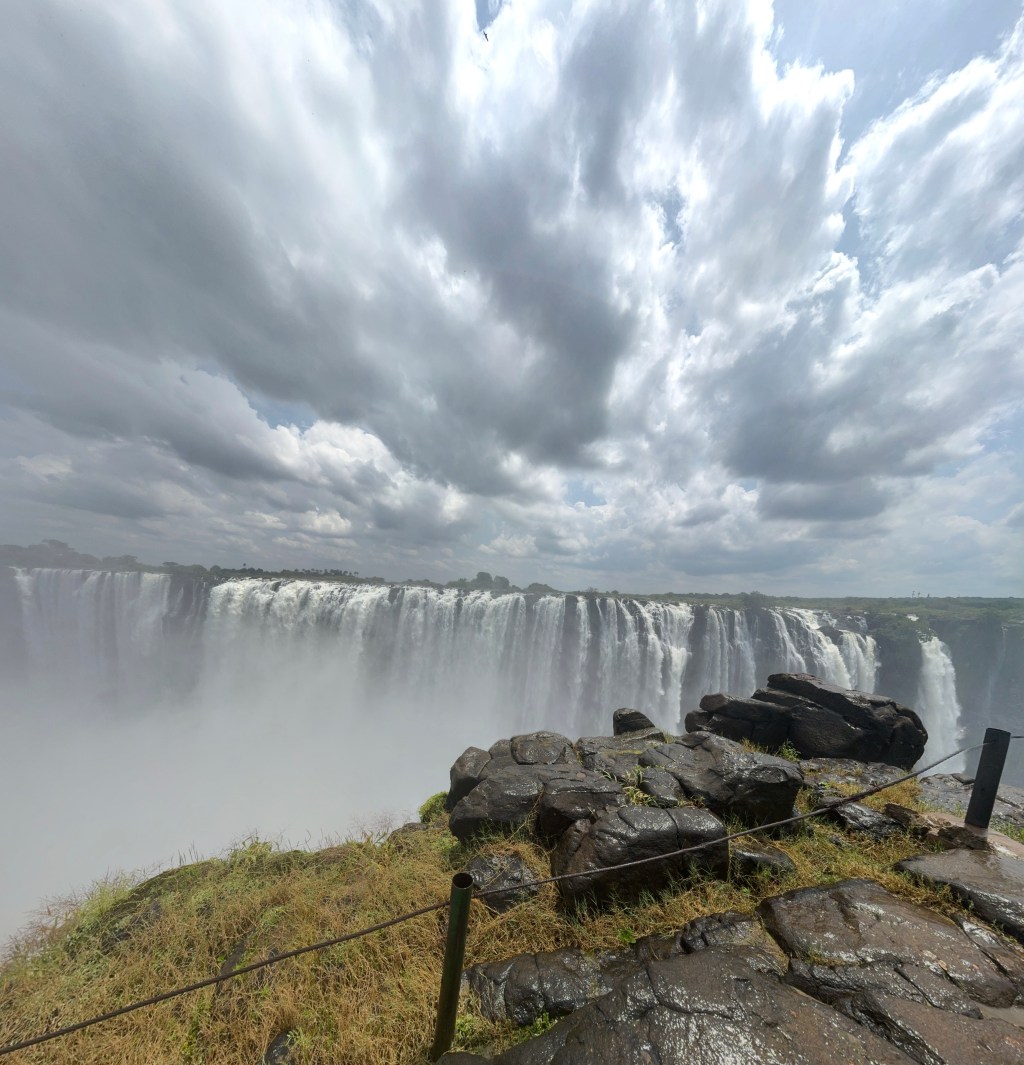
As I approach the final week of my journey around the world, I can confidently say it has been a transformative experience on every level: personal, spiritual, emotional, and professional. There’s so much to share, so much to digest. From the jotted down thoughts, reminders, and photos, I could compose journal entries and Instagram reels endlessly and still not fully capture what this trip has meant to me and the profound impact it will have on my life’s trajectory.
However, the distance and time away from home have taken their toll.
Never before have I been away from home for such an extended period; even my childhood summer camps pale in comparison. At a certain point, my wanderlust for new experiences and learning was overshadowed by feelings of homesickness and concern for those I care about. In the final weeks of the trip, I found myself consistently irritated with my travel mates; everyone seemed to annoy me at some point. Despite the challenges, I pushed myself to stay the course, be present, and seize the opportunity of being in this place at this time in my life.
Solo travel can be difficult at times. Behind the images, I recognize the sadness and worry behind my smile and squinty eyes.
Behind the images and exciting videos of amazing experiences, solo travel proved to be challenging. Reviewing selfies or reels created during these melancholy times, I could recognize the sadness and worry behind my smile and squinty eyes.

What fueled my determination to keep going was the desire to avoid becoming the troubling observation I witnessed throughout the trip. The most populous travelers were couples of retirement age or older. Of all my fellow Americans, 80% were 60 years old or older, with very few families or adults who weren’t the backpacking youth hostel type. It was common to see older travelers tethered to tour groups, struggling with stairs, rocky pathways, communication, and the various obstacles at tourist sites. I could sense their discomfort and frustration as others impatiently went around them.
I pondered whether travel was a new experience for them, brought on by retirement, or if these couples were seasoned travelers now in their golden years. I sincerely hope for the latter, aspiring to be a lifelong explorer and adventurer myself. Sadly, I suspect that, for too many of them, this is their first time venturing this far from home, finally tackling their bucket list. And that’s a shame, because this kind of first-time travel isn’t for the faint-hearted or those close to kicking the bucket.
Certainly, there were activities and attractions that weren’t easy to navigate, and accessibility seemed an afterthought in many places. Even mentally, I found challenges in communicating and understanding unfamiliar customs, navigating new transit systems, or settling a tab at a cafe. I wondered if tour companies offered dumbed-down itineraries to avoid certain activities and destinations due to the difficulties in getting there and the endurance needed to fully experience certain attractions.
Bucket-kicking age isn’t the time to start; we should start traveling earlier in our adulthood and do so consistently throughout our lives, not waiting until the end, gambling on good health and mobility.
I want to be clear: I’m not suggesting people shouldn’t travel in their golden years; in fact, I applaud it and plan to do so myself. What I’m saying is that bucket-kicking age isn’t the time to start. We should start traveling earlier in our adulthood and do so consistently throughout our lives, not waiting until the end, gambling on good health and mobility.
I understand, especially for many elder tourists, particularly Americans, it’s challenging to have the money and extended time off needed for distant destinations. Family priorities and work obligations take precedence, and these types of trips end up on “bucket” lists to do before you die. Meanwhile, time marches on, bringing its unavoidable and cruel effects to our health, mental agility, and mobility.
Traveling earlier in life allows for a deeper connection to cultures, people, and the essence of each destination. Experiencing destinations with different cultures, practices, and beliefs helps expand your way of thinking and stretches the boundaries of the possible. Many travelers, like myself, encounter life-changing epiphanies abroad. It can serve as a turning point in your life, a new beginning, a needed pivot, a change of heart, or steadfast opinion. Why put off what could bring new focus into your life? Waiting until one foot is in the grave is a bit too late.
Many travelers, like myself, encounter life-changing epiphanies abroad. It can serve as a turning point in your life, a new beginning, a needed pivot, a change of heart, or steadfast opinion.
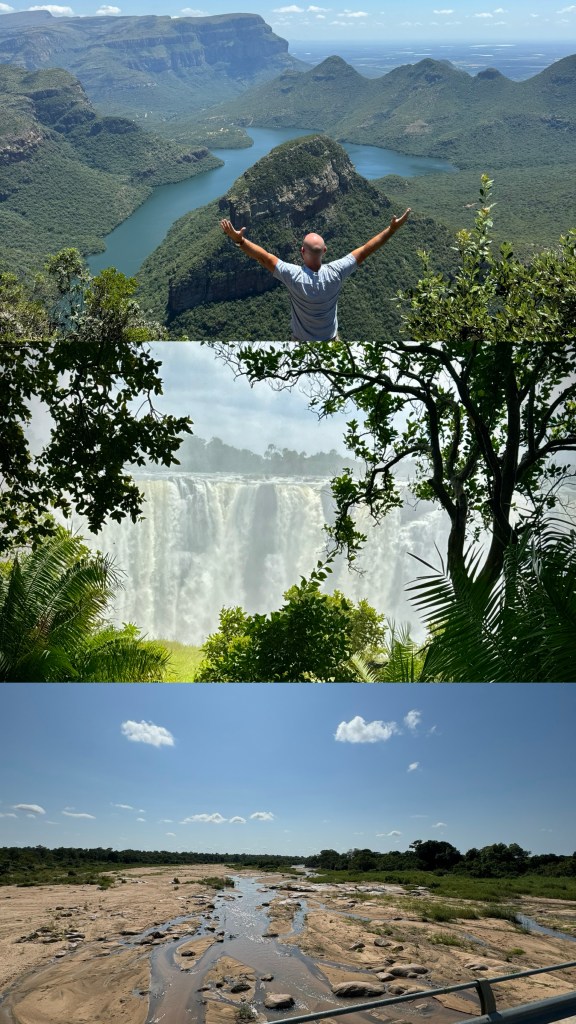
It’s true what they say about distance making the heart grow fonder. After two months away from not only my home, family, and friends but American culture itself and our ways of doing things, I can’t wait to see my parents, to hug them and be there for them. I want to reconnect with my friends at a deeper level and enjoy leisurely mornings with my dog Hattie. And I look forward to cooking a meal, visiting my local cocktail lounge, and frequenting the bistro I love.
I’m grateful for this present moment, acknowledging my circumstances are unique, so my call to action may land a bit flat. Even as a seasoned traveler, I hadn’t dedicated the right amount of time and resources to travel until now. My longest vacation was only two weeks, and obtaining that kind of time off required a lot of permissions and planning. I get it. I wish I had fought harder for it and been more of an advocate for my staff.
Consider travel expenditure similar to college tuition because it is the safest investment you can make—in yourself. You come out a better person and live a more fulfilling life, making the world a better place.
It’s time to move that dream travel list off the bucket and onto the to-do list. It’s worth all sacrifices.

 Around the World with Cal
Leave a comment